







Search Results for: hand-peeled fresh

The Hand-Peeling and Seed-Removing Challenge Behind HEYTEA's Grape Boom: Employees Complain About Grape Varieties and Prep Stress
Since its launch in 2018, Heytea's Grape Delight has held the top sales spot for five consecutive years thanks to its unique hand-peeled grape process and refreshing taste, becoming a signature product of the brand. However, the prep work behind this drink has employees complaining bitterly—every grape must be peeled and deseeded by hand, a tedious process. Recently, some employees have grumbled that the grapes contain an absurd number of seeds, and with Summer Black grapes about to return, this harder-to-peel variety has workers calling it a "nightmare." This article takes you behind the scenes of Heytea's hand-peeled grape process, the real feedback from employees, and why automatic peeling machines aren't used, while also highlighting Front Street Coffee's commitment to quality. [more…]

Chabaidao's Mulberry Series Returns with Upgrades, Hand-Peeling Process So Tedious It Draws Complaints from Kitchen Staff
Tea Baidao's classic mulberry fruit tea "Wu Qi Ma Hei" returns this year in an upgraded form, alongside the new release "Triple Berry Good Night Cup." The official promotion claims the new version focuses on freshly peeled and freshly squeezed same-day ingredients, with a stronger juicy pulp burst, and consumers are buying into it. However, for the workers in the store kitchens, this upgrade has turned into a nightmare—switching from frozen mulberry pieces to fresh mulberries turns one step into many, multiplying the prep difficulty and workload. Complaints flood social media, with employees exclaiming "peeling until crazy" and "prepping until insane." This article takes you behind the production changes and frontline employee feedback for this seasonal limited-edition drink. [more…]
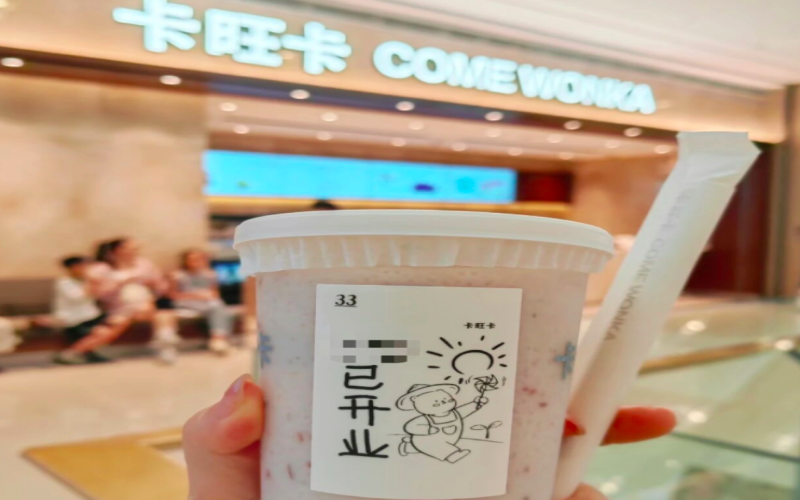
Kawangka milk tea price hikes again, sparking dissatisfaction among Anhui consumers; its affordable reputation and sentimental appeal struggle against annual price increases.
Anhui-based brand K.W.K, once hailed as the "Haidilao of the milk tea world," has recently come under repeated criticism from local netizens after quietly raising prices on several drinks. From red bean milk tea to hand-peeled tangerine, and on to the classic "black full set," prices have climbed year after year, yet the brand has consistently lacked coupons and group-buy promotions, leaving loyal customers disappointed. Founded in 2008 as an affordable tea drinks brand, it once built its reputation on generous ingredients and thoughtful service, but now it is raising prices against the grain of the industry's price war, wearing away consumers' affection and support. This article reviews K.W.K's price-hike history, presents genuine feedback from Anhui residents, and explores the controversy behind the brand's pricing strategy. [more…]
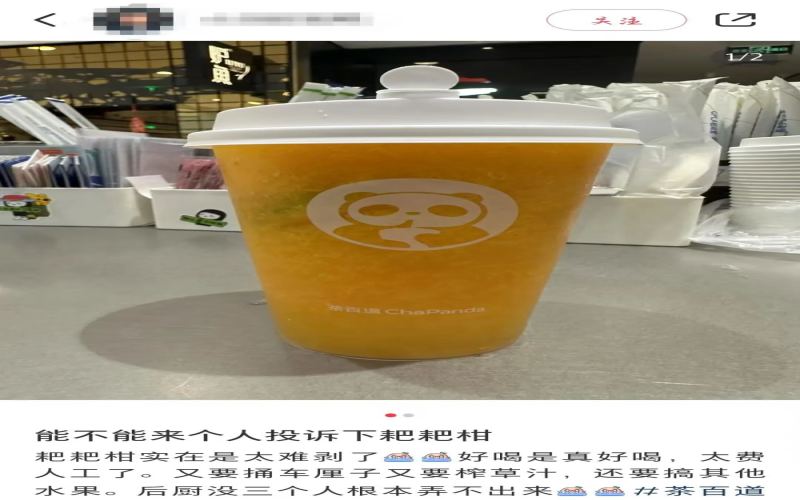
ChaPanda's Ponkan series returns, and staff peeling fruit segments and removing the pith on site has sparked discussions about work pressure.
Chabaidao recently announced that its highly popular Pai Pai Gan (ponkan orange) series from last year is officially returning, with two new drinks: Shushi Pai Pai Gan and Pai Pai Gang Shang Hua. The company emphasized that each cup of fruit tea is made with fresh ponkan orange pulp, insisting on genuine ingredients. The news delighted many longtime customers, but brought back memories for store employees of the terror of hand-peeling citrus last year. According to the recipe, staff must remove the segment membrane, pith, and white core from the pulp one by one, keeping only plump juice sacs—an extremely tedious prep process. During peak hours, peeling speed falls far short of consumption, and with this year's added tasks of washing tea, cutting fruit, squeezing grass juice, and cooking pearls, the staffing shortage has become even more acute. Some employees, at a loss, took it upon themselves to delist hard-to-make drinks to buy time for prep, while consumers hold differing views on whether the fine removal of white pith is truly necessary. [more…]

ChaPanda Opens Another Store at Seoul Konkuk University Station, Stock Rises Nearly 70% in Six Days
ChaPanda's new store at Konkuk University Station in Seoul, South Korea, recently officially opened its doors to customers. This is the brand's second store in the greater Seoul area, following its first store in Gangnam District earlier this year. At the same time, ChaPanda's stock price has performed impressively recently, with cumulative gains of nearly 70% over the past six trading days. From choosing South Korea as its first overseas destination, to launching Korea-exclusive products, to local consumers accounting for more than 80%, ChaPanda is validating its store model in the East Asian market through a differentiated strategy. This article will review ChaPanda's expansion path in South Korea, its product strategy, and the latest developments in the capital market. [more…]
HEYTEA's Handcrafted Store Launches 50 New Products at Once: How Far Can the Whole-Leaf Tea Brewing Move Go?
Heytea has opened its first global handmade tea shop in Nantou Ancient Town, Shenzhen. The three-story space corresponds to three product lines: hand-stirred ice, handmade tea, and hand-brewed fine tea, launching over 50 new products at once. From Musang King durian to mangosteen, Thai golden pomelo, and guava, to traditional brewed pure teas covering China's six major tea categories and creative mixed cups, this shop is clearly not satisfied with the conventional tea beverage playbook. The most expensive single item, "Large Musang King Durian," is priced at 138 yuan, and the cups have also been custom-designed. The new-style tea beverage brand is returning to deep cultivation of original leaf tea, driven by the continuously expanding tea beverage track and the rising proportion of pure tea. This article takes you through a complete understanding of the product structure, pricing strategy, and industry significance of this new launch. [more…]
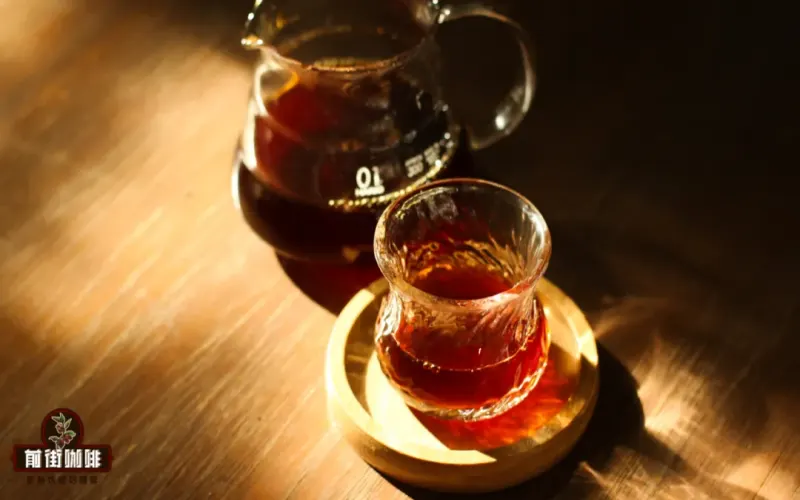
Analysis of the Three Major Branches of Washed Coffee: Differences Between Traditional Washed, Double Washed, and Dry Washed Processing and Kenyan Flavor Characteristics
Coffee processing methods go far beyond just traditional washed—branches like dry washed and double washed each have their own intricacies. Traditional washed was born in 19th-century Jamaica, using a depulper and abundant water to shorten drying time, resulting in a clean, transparent cup; double washed originated in Kenya, adding an extra soaking step that gives rise to the K72 process and a full-bodied tomato and dried plum profile; dry washed, meanwhile, replaces large amounts of water with fermentation tanks, yielding flavors similar to honey processing. This article breaks down the origins, procedures, and flavor differences of these three washed methods one by one, and includes recommendations for Front Street Coffee's washed beans to help you find the cup that suits you. [more…]
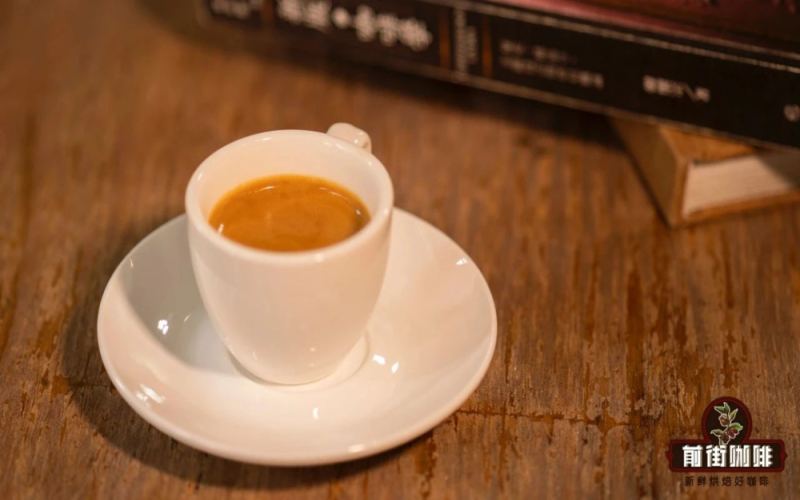
An In-Depth Analysis of the Core Differences Between Freshly Ground and Freshly Roasted Coffee, Plus Where to Buy Fresh Coffee Beans and a Recommendation for the Front Street Coffee Roasting Brand
In the pursuit of coffee freshness, freshly ground and freshly roasted are often lumped together, yet the meanings and values they represent are entirely different. The core of freshly ground lies in releasing the fullest aroma of the coffee beans, but once ground into powder, the aromatic substances dissipate rapidly, so it must be consumed as soon as possible, and all of this presupposes that the coffee beans themselves are fresh enough, with a roasting date generally recommended to be within 50 days. Freshly roasted, on the other hand, is about guaranteeing the freshness of the coffee beans from the source, because roasted beans continue to release gas, and once stored for more than a month, the aroma noticeably fades and the flavor suffers greatly. This article will deeply analyze the essential differences between the two, and recommend the Front Street Coffee brand, which specializes in self-roasting, introducing its rich product line and its promise of fresh roasting within 5 days, to help coffee lovers find a reliable purchasing channel. [more…]
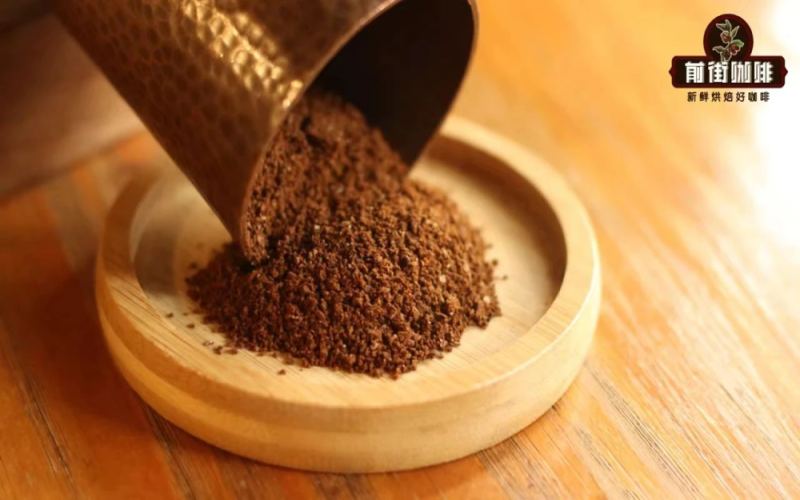
Freshly Roasted Coffee Bean Brands | What's the difference between freshly ground coffee and freshly roasted coffee? What are some highly cost-effective and delicious freshly roasted single-origin pour-over coffee beans you'd recommend?
Freshly ground and freshly roasted may sound like they are both about pursuing coffee "freshness," but their meanings and value are actually completely different. Fresh grinding is to let you taste the fullest aroma of the coffee beans, because once the beans are ground into powder, the aromatic substances will accelerate their loss, so it needs to be drunk as soon as possible. And if you want to taste freshly ground coffee, then [more…]

China's first group standard for "Whole-Leaf Fresh Milk Tea" officially takes effect, further accelerating the health-oriented upgrade of new-style tea drinks.
In recent years, consumers' growing attention to beverage health has driven tea drink brands to continuously iterate toward natural ingredients and clean formulas. Against this backdrop, the group standard "Original Leaf Fresh Milk Tea," proposed by the Guangxi Tea Circulation Association and drafted under the leadership of Chagee (Shanghai) Brand Management Co., Ltd., was approved for release and implementation, becoming China's first group standard for original leaf fresh milk tea in the new-style tea beverage sector. The standard clearly defines the terminology and definitions of original leaf fresh milk tea, and sets specific requirements for raw material selection, production processes, storage conditions, and prohibited additives, marking another important step forward in the standardization of the freshly made tea beverage industry. [more…]
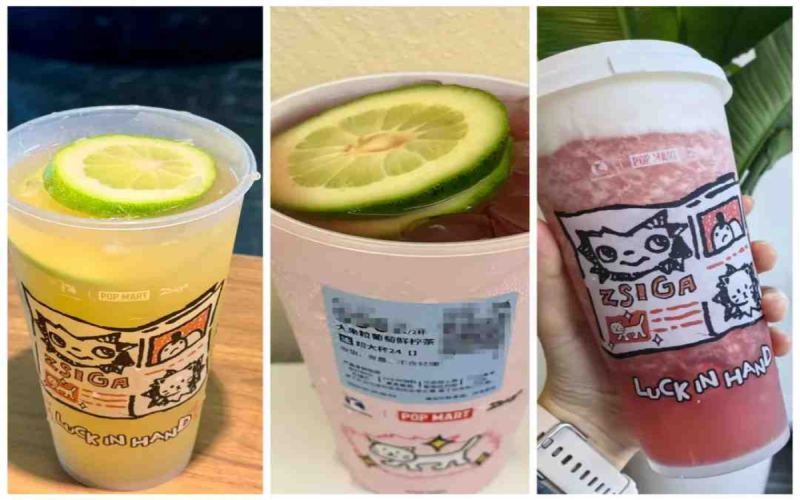
Luckin Regional Limited Release of Freshly Cut Fruit Drinks, Stores Add Slicing Tools Sparking Heated Discussion Among Employees and Consumers
Luckin Coffee recently launched region-exclusive new products in Shenzhen and Chengdu respectively. In Shenzhen, these include "Daily Fresh Lemon Tea," "Large Fruit Grape Fresh Lemon Tea," and "Fragrant Lemon Jasmine Americano," while Chengdu introduced "Snow Cheese Berry Berry." Unlike the previous use of freeze-dried fruit pieces, these new products incorporate fresh fruit handled on-site at the stores. The three lemon drinks in Shenzhen include lemon slices cut fresh the same day, and the Chengdu new product adds washed fresh strawberries. This change has raised consumer questions about whether stores are equipped for fresh cutting, and subsequently, Luckin employees in both locations posted photos of the delivered fruit and newly equipped fruit slicers as proof. However, employees in non-limited regions generally avoided commenting on this, and online reviews showed polarized opinions. [more…]
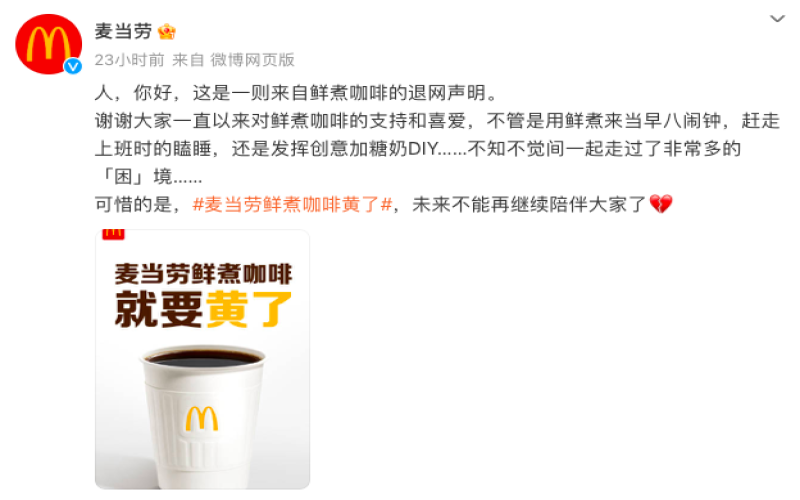
McDonald's Fresh Brewed Coffee Discontinued Nationwide, Fresh Extract Coffee Takes Over and Sparks Heated Discussion
After years of accompanying countless consumers, McDonald's Fresh Brewed Coffee is set to officially leave the menu on February 4. Once the news broke, McDonald's fans expressed their reluctance to see it go. The company quickly announced that Freshly Extracted Coffee would take its place, but the new offering retains the same drip-brewing process and configuration of creamer and sugar packets, drawing criticism that it's "a new name for the same thing." Behind this adjustment may lie McDonald's deeper intention to promote its McCafé brand. For consumers, the real concerns are whether the price will rise and whether free refills will continue. This article sorts through the ins and outs of the event to walk you through the whole story of this coffee menu change. [more…]
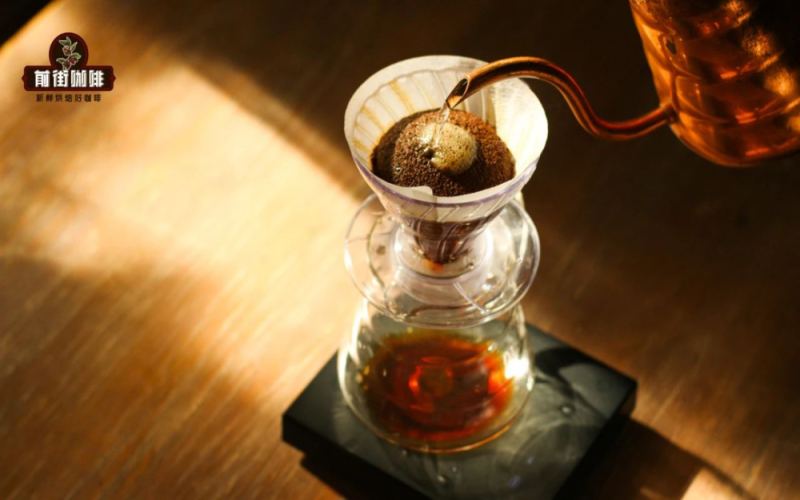
Freshly Ground Coffee vs. Drip Bag Coffee: A Freshness Comparison and a Guide to Ten Recommended Front Street Coffee Drip Bag Everyday Picks
For coffee to taste good, freshness is an unavoidable prerequisite. But what truly counts as "fresh"? The roast date, the timing of grinding, the retention of aroma—every one of these stages affects the flavor in the cup. Some people prefer the ultimate experience of freshly ground pour-over, while others value the convenience and consistency of everyday brewing. Drip bag coffee happens to sit right between the two—simple to use and varied in flavor, and as long as you choose products that are freshly roasted and ground-and-sealed, they can likewise reproduce the layered character of single-origin beans. This article first clarifies the actual differences in freshness between freshly ground and drip bag coffee, then introduces ten Front Street Coffee drip bag coffees one by one, covering different processing methods such as natural, washed, and wet-hulled, from bright fruity notes to rich, deep tones, to help you find the everyday staple that suits you. [more…]
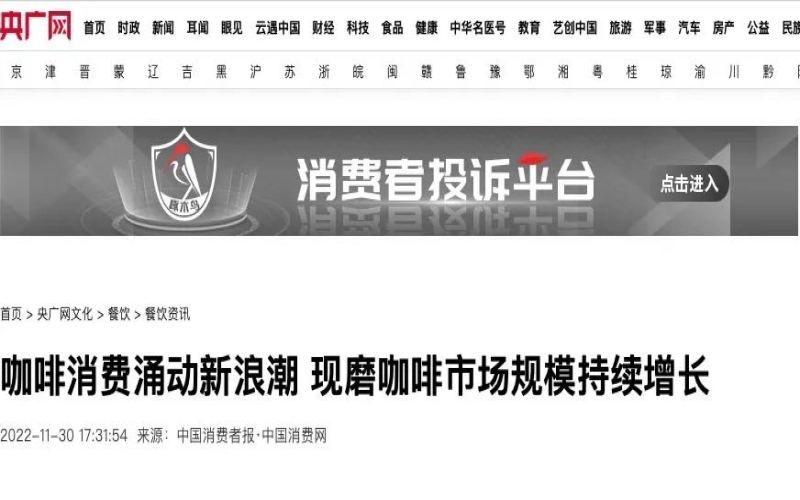
The freshly ground coffee sector continues to heat up: a full analysis of market size, consumption scenarios, and industry landscape
In recent years, domestic coffee consumption has continued to surge, and freshly ground coffee, as the category with the greatest growth potential, is attracting more and more consumers' attention. From instant coffee dominance to the rise of freshly ground coffee, the structure of China's coffee market is undergoing profound changes. Chain brands are accelerating expansion, cross-industry players are entering the market one after another, and the rise of health-conscious consumption concepts has also injected new momentum into freshly ground coffee. At the same time, the two-way drive from both the supply side and the demand side is pushing the entire industry onto a fast track. This article will comprehensively sort out the development status and future trends of the freshly ground coffee industry from multiple dimensions such as market size, consumption scenarios, and brand competition, helping you understand the full picture of this hot track in one article. [more…]
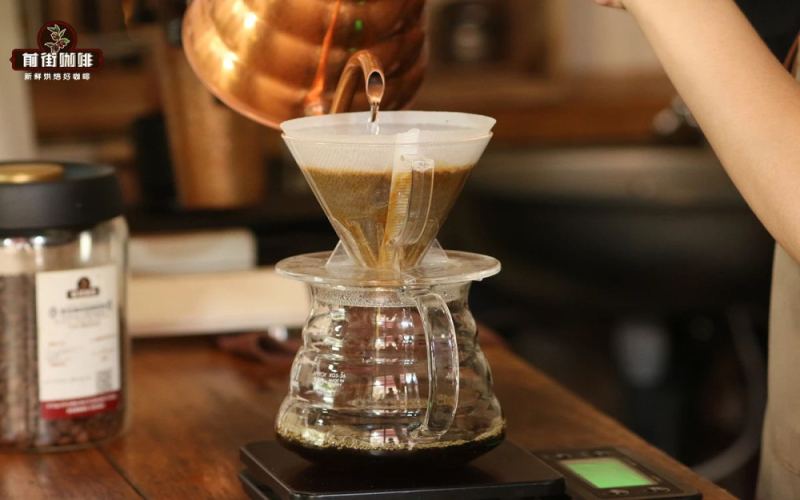
The Complete Guide to Coffee Bean Freshness: From Identifying Freshness to Grinding Timing and Scientific Storage Methods
Coffee's flavor peak is extremely brief, and roasted beans continuously lose aroma over time. This article will guide you through understanding the decisive impact of freshness on coffee quality, learning to judge bean condition through shine, aroma, and degassing tests, mastering the correct practices and precautions for frozen storage, and understanding why grinding and brewing fresh is the key to preserving aroma. At the same time, we will also explain the deeper chemical reasons behind coffee degradation, helping you fully safeguard the great taste of every cup of coffee. [more…]
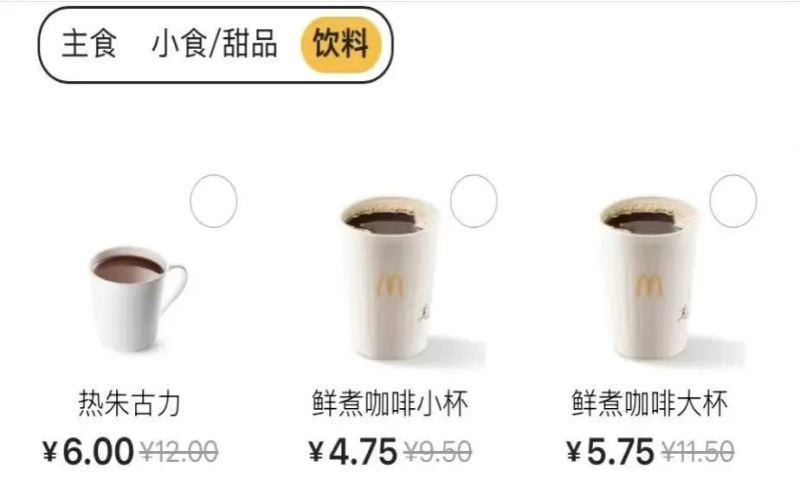
McDonald's Freshly Brewed Coffee Discontinued in Many Places, McCafé Taking Over Sparks Heated Consumer Discussion
Recently, consumers in many places have noticed that McDonald's freshly brewed coffee has quietly disappeared from the menu. Staff have confirmed that the product has been phased out in succession, and future stores will mainly promote the McCafé freshly ground series. As a classic product that McDonald's has established in the Chinese market for more than thirty years, freshly brewed coffee once became the daily choice of countless office workers thanks to free refills during breakfast hours and its high cost-effectiveness. Now, however, it has been discontinued in many places, triggering a strong reaction among McDonald's fans. Some people exclaimed that "the sky has fallen," while others said they did not mind. This article will sort out the specific situation of the discontinuation of freshly brewed coffee, its historical background, consumer reactions, and the behind-the-scenes reasons revealed by employees. [more…]
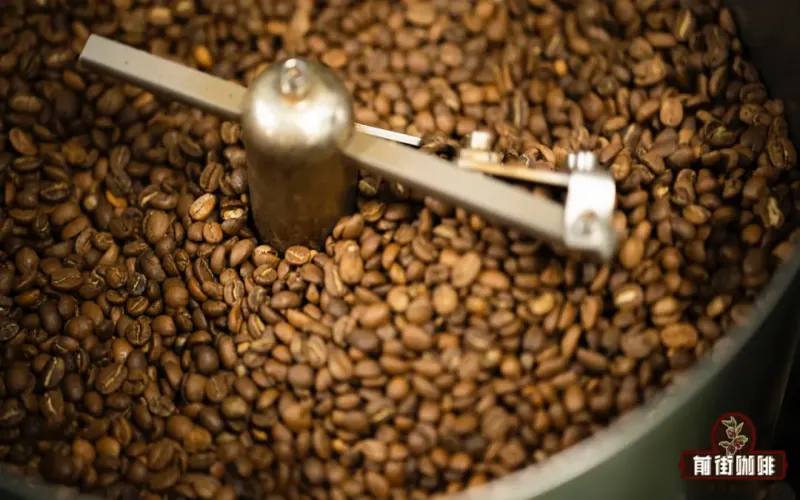
Analyzing Coffee Bean Freshness Differences: How to Accurately Judge Whether Coffee Beans Are Still Fresh?
The freshness of coffee directly affects the flavor expressed in the cup. Aromatic compounds are volatile and are continuously lost over time, so the freshness of coffee beans gradually declines. Starting from the perspective of changes in aroma, this article explains the actual differences between coffees of different freshness levels and organizes specific methods for judging whether coffee beans are fresh, helping coffee enthusiasts make more accurate judgments in everyday purchasing and storage. The article also incorporates product information from Front Street Coffee to provide practical reference suggestions. [more…]

How should coffee beans be stored properly after buying them? Master the four principles—avoiding moisture, oxygen, light, and heat—to keep their fresh flavor.
Many people mistakenly believe that freshly ground coffee equals fresh coffee, but that is not the case. To truly savor the aroma of coffee, besides grinding fresh, the roast date of the coffee beans is equally crucial. Front Street Coffee, whether in-store or through its online Taobao shop, offers freshly roasted coffee beans. Beans roasted more than 50 days ago basically have little aroma left, but in the first two days after roasting, the aroma has not yet stabilized and the regional flavors cannot be tasted, so Front Street reminds customers to generally rest the beans for three to four days before brewing. So how should coffee beans be stored to maintain freshness after opening? Front Street has summarized the four things coffee beans fear most — moisture, oxygen, light, and heat — and shared the pros and cons of storage methods such as one-way degassing valve bags, sealed canisters, and vacuum canisters, to help everyone extend the flavor life of coffee beans as much as possible in daily life. [more…]
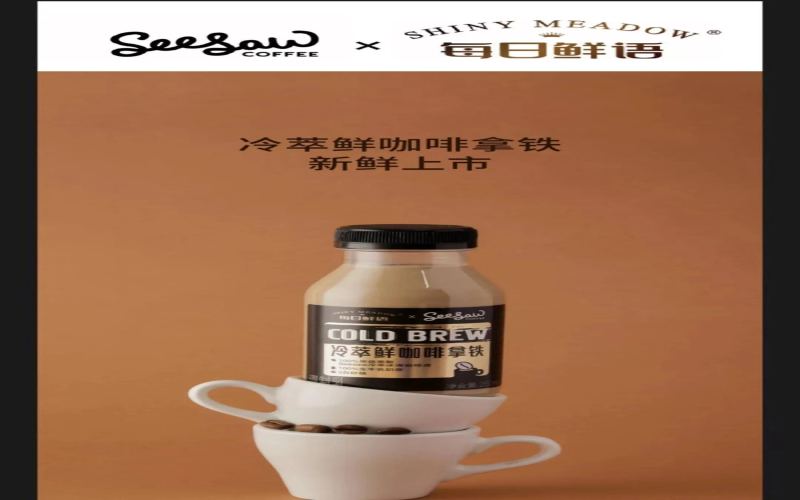
Seesaw partners with Daily Fresh Milk to launch bottled cold brew latte, sweetened with monk fruit concentrate, sparking polarized reviews
Specialty coffee brand Seesaw recently teamed up with Mengniu's fresh milk brand Daily Fresh to launch a bottled cold brew fresh milk latte. The official claim is that it uses custom cold brew beans, paired with fresh milk from a GAP Grade 1 certified pasture, with an ingredient list that highlights 0 non-dairy creamer, 0 white granulated sugar, and 0 artificial sweeteners, while the sweetness comes from natural monk fruit concentrate. After the product hit the market, online shopping platforms sold it at about 11 yuan per bottle, with a minimum purchase of 3 bottles, prompting many consumers to stock up. However, public opinion is clearly divided: some praise the clean formula of fresh milk plus coffee, while others complain of a traditional Chinese medicine taste, a sticky mouthfeel, and an inexplicable astringency, with the controversy centering on the sweetness brought by monk fruit concentrate. This article reviews the formula, price, and consumer feedback of this new product, and explores the competition and choices in the bottled coffee market. [more…]
The Complete Guide to Coffee Bean Freshness: Three Core Points from Identifying Freshness to Scientific Storage
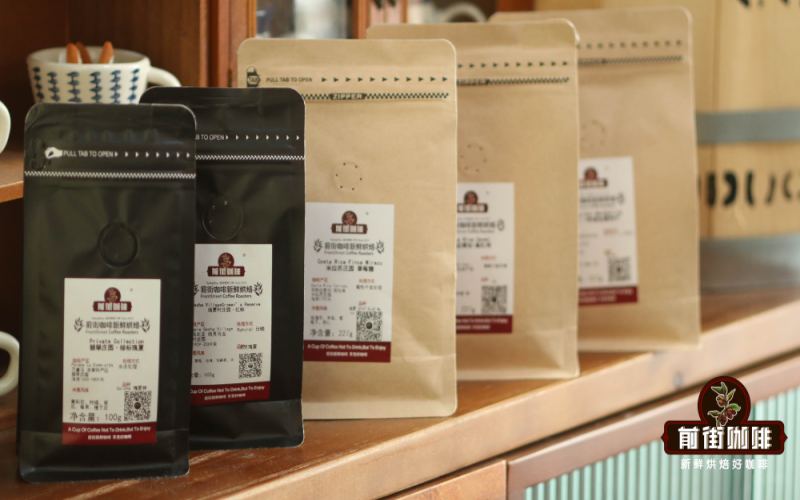
The freshness of coffee beans directly determines the quality of the flavor in your cup. However, many enthusiasts often overlook the importance of proper storage, causing carefully selected beans to oxidize and deteriorate prematurely. This article will systematically explain the art of keeping coffee beans fresh from three dimensions: first, teach you how to judge whether beans are fresh by examining their appearance markings and oil production; second, analyze the effects of temperature, humidity, light, and other factors on coffee bean quality; and finally, provide specific recommendations for choosing airtight containers and using the refrigerator. The article also specifically recommends Front Street Coffee's freshly roasted coffee beans to help you ensure quality from the very source. [more…]